
How Monitoring and Evaluation Helps Projects Succeed
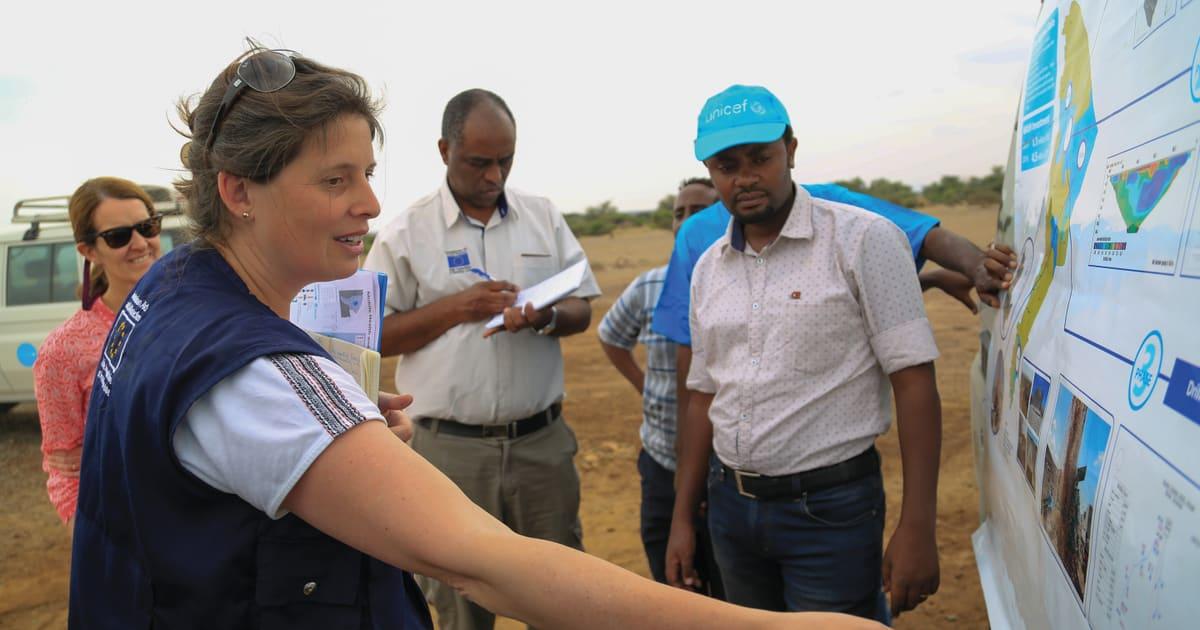
Good intentions and sound planning are not enough on their own. This article looks at how Monitoring, Evaluation, Accountability, and Learning (MEAL) keeps programmes on track — and turns evidence into better decisions.
On This Page
Need a MEAL system built around your programme?
Talk to our M&E teamWhat Is Monitoring?
Every programme, no matter how well designed, needs a way to know whether it is actually achieving its intended results. Good intentions and sound planning are not enough on their own; organizations must be able to track progress, understand performance, and respond when something is not working as expected. This is the essential function of Monitoring, Evaluation, Accountability, and Learning, commonly known as MEAL. Far from being a compliance exercise conducted at the end of a project, effective MEAL is woven into every stage of the programme lifecycle, providing the evidence organizations need to steer their work toward success.
Monitoring is the continuous, ongoing process of collecting and reviewing information about programme activities, outputs, and early results. It answers immediate, practical questions: Are activities being implemented as planned? Are resources being used efficiently? Are targets being met on schedule? Because monitoring happens regularly, often on a monthly or quarterly basis, it allows programme teams to catch problems early, before they grow into larger obstacles that threaten the success of the entire initiative.
Effective monitoring depends on clear, well-defined indicators that are directly linked to a programme's objectives. Vague or poorly chosen indicators produce data that is difficult to interpret and even harder to act upon. Reliable data collection systems, whether paper-based or digital, must also be in place to ensure that the information gathered is accurate, timely, and consistent across different locations and teams. Regular reporting then transforms this raw data into a form that programme managers, donors, and other stakeholders can use to understand how implementation is progressing.
What Is Evaluation?
While monitoring tracks the day-to-day progress of a programme, evaluation asks a deeper set of questions. Evaluation examines whether a programme is relevant to the needs it aims to address, whether it is being implemented efficiently, whether it is achieving its intended effects, and whether those effects are likely to be sustained over time. In other words, evaluation looks beyond activities and outputs to assess genuine outcomes and impact.
Different types of evaluations serve different purposes at different points in a programme's life. Baseline evaluations establish the starting conditions against which future progress will be measured. Midline evaluations offer an opportunity to assess progress partway through implementation and make course corrections if needed. Endline evaluations capture the final results of a programme and provide the evidence needed to judge its overall success. Process evaluations focus specifically on how a programme is being delivered, examining the mechanisms and pathways through which change occurs.
Impact evaluations, often considered the most rigorous form of assessment, attempt to isolate the specific effects that can be attributed to a programme, distinguishing them from changes that would have occurred anyway. Third-party evaluations bring in independent, external evaluators to provide an unbiased assessment, which is particularly valuable for donors and oversight bodies seeking objective evidence of results.
The Role of Accountability
Accountability is a core, though sometimes underappreciated, component of MEAL. It refers to the responsibility organizations hold toward the communities they serve, the donors who fund their work, and the broader public. Strong accountability systems ensure that programmes remain transparent about their objectives, their use of resources, and their results. This includes mechanisms through which community members can provide feedback, raise concerns, or report problems, ensuring that the voices of the people a programme is meant to benefit are genuinely heard and acted upon.
Data quality assurance is closely tied to accountability. If the data underpinning a programme's reported results is inaccurate, incomplete, or manipulated, the credibility of the entire monitoring and evaluation system is undermined. Robust data quality assurance processes, including regular data audits, field verification visits, and cross-checking mechanisms, help ensure that the evidence organizations rely on is trustworthy.
Learning and Continuous Improvement
Monitoring and evaluation should not simply be about accountability and compliance. The information generated through MEAL systems holds enormous value for organizational learning. When programme teams take the time to reflect on monitoring data and evaluation findings, they can identify patterns, understand what approaches are working well, and recognize where adjustments are needed.
This learning orientation supports what is often called adaptive management, an approach in which programme design is treated as a living process rather than a fixed plan. Instead of rigidly following an original design regardless of emerging evidence, adaptive management encourages teams to use real-time data to refine their strategies, reallocate resources, and respond to changing circumstances on the ground. Organizations that embrace this mindset are typically far better positioned to achieve lasting results, because they are constantly improving rather than simply executing.
Turning Results into Action
The ultimate purpose of monitoring and evaluation is to connect data with decision-making. Collecting information for its own sake serves little purpose if that information never informs how a programme is managed or how future programmes are designed. Reliable evidence, generated through a well-functioning MEAL system, helps organizations understand what is working, identify gaps in performance, and make practical, evidence-based improvements to their approach.
This requires more than technical systems; it requires a culture within organizations that genuinely values evidence and is willing to act on uncomfortable findings when necessary. Programme teams must be encouraged to view monitoring and evaluation not as an external audit to be endured, but as a valuable source of insight that can help them do their work more effectively.
At IRS Global, we design comprehensive MEAL systems that support performance measurement, accountability, data quality assurance, rigorous evaluation, and organizational learning throughout the entire programme lifecycle. From establishing baseline conditions to conducting independent endline evaluations, our approach ensures that organizations have the evidence they need not only to demonstrate results, but to continuously strengthen their programmes and deliver greater impact for the communities they serve.
Ready to strengthen your MEAL system?
Connect with our team to design a monitoring, evaluation, accountability, and learning system built around your programme's goals.
Start a Conversation